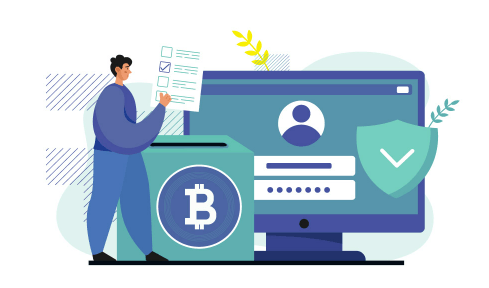
Blockchain offers an auditable, append-only record for secure databases, enhancing integrity and resilience. It distributes trust among participants, improving governance and accountability. Smart contracts, modular architectures, and verifiable consensus align data workflows with verifiable provenance. Privacy controls and governance dashboards help monitor risk, but trade-offs in scale and governance complexity remain. The balance among privacy, performance, and oversight will determine practical value, inviting careful consideration of deployment risks and incentives to come.
What Blockchain Brings to Secure Databases
Blockchain introduces a foundational shift in secure databases by providing tamper-evident, append-only ledgers that enhance data integrity and traceability.
This perspective emphasizes governance considerations, risk awareness, and accountability in design choices.
Blockchain integration enables auditable provenance and distributed control, while data immutability supports resilience against unauthorized changes.
Decisions balance freedom with governance, ensuring transparent, reproducible outcomes without compromising security or compliance.
How to Combine Ledgers, Consensus, and Contracts in Practice
Leading from the governance and provenance considerations discussed earlier, practitioners must align ledgers, consensus mechanisms, and smart contracts to deliver verifiable integrity without compromising control.
In practice, architectures favor modularity, auditable workflows, and tamper evident logs, enabling accountable updates.
Decentralized storage supports resilience, while rigorous dispute rules maintain freedom with risk controls, ensuring resilient interoperability and transparent, verifiable collaboration.
Evaluating When Blockchain Adds Value (Privacy, Scale, Governance)
Evaluating when blockchain adds value requires a disciplined assessment of privacy, scale, and governance trade-offs, recognizing that benefits accrue only when the technology is aligned with legitimate risk controls and accountability.
The analysis emphasizes privacy governance, balance between scale privacy, and robust governance structures, ensuring transparent decision rights, risk oversight, and meaningful incentives for responsible deployment, resisting overreach while preserving freedom with accountability.
Implementation Guidance and Governance for Real-World Use
To implement blockchain-enabled solutions in real-world databases, organizations should establish a disciplined governance and implementation framework that translates strategic intent into concrete controls, roles, and metrics from the outset.
The guidance emphasizes risk-aware decision-making, transparent accountability, and measurable privacy benefits, while acknowledging latency implications.
Clear stewardship, continuous auditing, and governance dashboards enable freedom with discipline, reducing ambiguity and aligning technical adoption with regulatory and reputational risk considerations.
Frequently Asked Questions
How Does Blockchain Impact Data Retrieval Latency in Databases?
The question concerns latency implications: blockchain generally increases retrieval latency due to consensus and indexing overhead, while data indexing can optimize certain queries; governance considerations mitigate risk, balancing freedom with controls, yet latency remains a trade-off for secure retrieval.
Can Blockchain Ensure Auditability Without Exposing Sensitive Data?
Auditability vs privacy can be achieved with careful controls; permissioned vs public blockchains matter. The architecture emphasizes governance, risk-aware safeguards, and freedom-respecting access, ensuring verifiable logs while withholding sensitive data through cryptographic privacy measures.
What Are Cost Implications of Blockchain-Enabled Database Solutions?
Symbolic gates open; costs ripple like coins in motion. The answer weighs cost modeling against potential returns, noting that ecosystem integration, maintenance, and governance obligations shape total expenditure and risk. The detached observer highlights prudent budgeting and freedom.
How to Handle Data Erasure Requests With Immutable Ledgers?
Data erasure on immutable ledgers challenges compliance; organizations pursue governance controls, partial redaction, and policy-driven exceptions. Immutable compliance requires documented risk assessments, auditable workflows, and clear accountability for handling erasure requests while preserving data integrity and freedom.
See also: Debugging Techniques for Developers
Are There Regulatory Considerations Unique to Blockchain-Backed Databases?
Regulatory compliance considerations for blockchain-backed databases include cross-border data flows and data sovereignty constraints; governance frameworks must address auditability, transparency, and consent. The architecture should balance freedom with risk controls, ensuring privacy by design and resilient, auditable operations.
Conclusion
The conclusion, like a quiet lighthouse, signals that trust hinges on governance as much as cryptography. It alludes to ships that once wandered by moonlit code and crowded ledgers, now steadied by disciplined risk frameworks. While blockchain can illuminate audit trails and enforce contracts, its value rests in balanced oversight, privacy controls, and scalable governance. In fragile ecosystems, prudence and clear accountability ensure the technology serves transparency without compromising resilience or fiduciary duty.