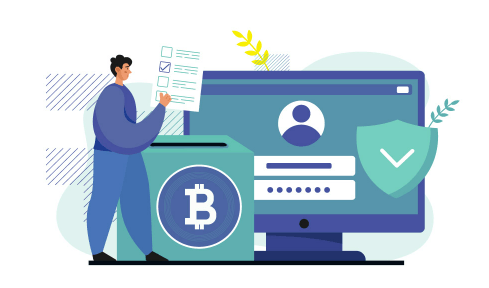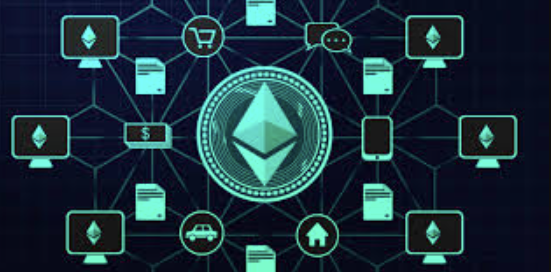
Decentralized applications, or dApps, run on distributed networks rather than centralized servers. They rely on smart contracts, oracles, and consensus to automate actions, verify outcomes, and secure agreement. They offer transparency and user sovereignty but bring latency, governance, and privacy tradeoffs. Compared with traditional apps, dApps emphasize resilience and autonomy alongside scalability challenges. The core components and real-world use cases illustrate a shift in how software can operate, constrain, and evolve—leaving questions open about governance, reliability, and future possibilities.
What Are dApps and Why They Matter
Decentralized applications, or dApps, are software programs that run on a distributed network rather than a single centralized server. They offer transparent operation, verifiable outcomes, and user sovereignty, shaping digital autonomy.
Yet decentralization introduces decentralization tradeoffs: potential latency, complex governance, and variable reliability. Governance mechanisms coordinate stakeholders, resolve disputes, and adapt rules, balancing openness with protection of participants and overall system integrity.
How dApps Differ From Traditional Apps
Traditional apps rely on centralized servers and controlled infrastructure, whereas dApps operate on a distributed network where no single entity governs the entire system. This distinction emphasizes transparency, resistance to single points of failure, and user autonomy. However, privacy concerns emerge in data handling, while scalability challenges can constrain performance. Understanding these trade-offs clarifies why freedom-minded developers pursue decentralized architectures.
Core Components: Smart Contracts, Oracles, and Consensus
Smart contracts, oracles, and consensus mechanisms form the backbone of dApps, translating ideas into automated, verifiable actions on a distributed ledger. These components enable permissionless execution, data integrity, and transparent governance.
Smart contracts codify rules; oracles bring external data; consensus mechanisms secure agreement.
Governance emerges through distributed participation, ensuring upgrades and conflict resolution align with collective intent without centralized authority.
Use Cases and Real-World Examples of dApps
What practical value do dApps deliver when applied across industries, and which real-world examples illustrate their potential? Deployed across finance, supply chains, and governance, dApps enable transparent transactions, automated compliance, and resilient access control.
Notable cases include transparent asset trading, verifiable supply data, and decentralized voting.
Key dynamics involve dApp governance and cross chain interoperability, shaping scalable, user-centric digital ecosystems.
Frequently Asked Questions
How Secure Are dApps Against Network-Level Attacks?
Network layer attacks pose significant risks but dapps improve resilience through decentralization; however, they face data leak risks if misconfigured. Protection relies on robust cryptography, careful architecture, and vigilant governance to minimize exposure and maintain user freedom.
Can dApps Scale Without Sacrificing Decentralization?
Yes, dapps can scale without complete decentralization, but tradeoffs exist. The scalability tradeoffs involve throughput versus decentralization performance, often demanding layered or hybrid designs. Designers weigh efficiency gains against the integrity and resilience benefits centralization-free architectures seek to preserve.
What Are the Costs of Running a dApp On-Chain?
Gas fees and storage costs constitute primary on-chain expenses for a dApp. These continuous charges reflect computation and data persistence, influencing user experience and sustainability, while encouraging efficient design, optimized storage, and thoughtful on-chain interactions for freedom-focused developers.
See also: Debugging Techniques for Developers
How Do Governance Models Work in dApps?
Governance models in dapps balance consensus and autonomy: juxtaposition of centralized control versus community-led direction. They rely on governance incentives to align behavior and protocol voting to decide upgrades, parameters, and funds, empowering a liberty-aware, transparent ecosystem.
What Are Common Failure Modes for Smart Contracts?
Common failure modes include reentrancy, integer overflow, and access control gaps; audit practices, formal verification, and testnets mitigate risks. Network level attacks, governance models, and scalability tradeoffs influence on chain costs and resilience in practice.
Conclusion
Conclusion:
Arguably, dApps embody a governance-driven, trust-minimized paradigm shift, but their efficacy hinges on open standards, robust governance, and scalable infrastructure. Investigating the theory that decentralization inherently yields superior resilience, one finds tradeoffs: latency and complexity rise, privacy can erode, yet transparency and verifiability improve. When core components—smart contracts, oracles, and consensus—are well integrated, dApps offer verifiable outcomes and user sovereignty; otherwise, traditional models may outpace them on performance and privacy.