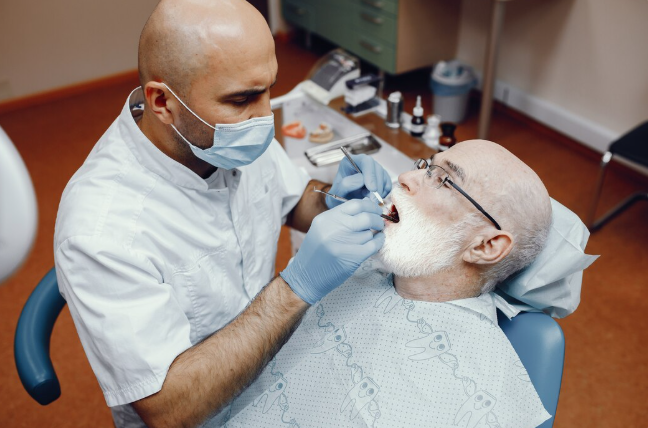
Choosing an oral surgeon for dental implants can be an important part of planning tooth replacement. Dental implants involve more than placing an artificial tooth because the treatment also includes the implant post, surrounding bone, gum tissue, and final restoration. An oral surgeon has specialised training in surgical procedures involving the mouth, jaw, and facial structures. Patients in Kent, Washington, may consider an oral surgeon when their treatment requires implant placement, bone evaluation, tooth removal, or other surgical care.
What Does an Oral Surgeon Do for Dental Implants?
An oral surgeon can manage the surgical aspects of dental implant treatment. This may include evaluating the jawbone, planning implant placement, extracting a tooth when necessary, and placing the implant. The surgeon also considers the position of nearby teeth, nerves, bone, and soft tissues when developing the treatment plan. Each patient’s oral anatomy is different, so implant treatment requires individual assessment.
The surgical phase is only one part of the overall implant process. After the implant has healed and integrated with the surrounding bone, a restorative dentist or implant team may complete the final crown or other restoration. Communication between the surgical and restorative stages helps ensure that the final tooth replacement fits properly. Your dental team can explain how each stage of treatment will be coordinated.
Why Choose an Oral Surgeon for Dental Implant Treatment?
Oral surgeons receive advanced training in surgical procedures involving the mouth, jaw, and related structures. Their training can be particularly relevant when implant treatment involves tooth extraction, bone concerns, or other surgical considerations. An oral surgeon can evaluate the conditions that may affect implant placement before surgery begins. This assessment can help identify potential challenges and determine the appropriate treatment sequence.
Several factors may make an oral surgeon a suitable choice for implant treatment:
- Advanced surgical training
- Experience with procedures involving the jaw and oral tissues
- Ability to evaluate bone and soft tissue conditions
- Experience with tooth extraction and implant placement
- Ability to address certain surgical complications
- Familiarity with different implant treatment approaches
The appropriate provider depends on the patient’s needs and the complexity of the planned procedure. A consultation allows the dental professional to determine whether implant surgery is suitable and whether additional treatment is needed before placement.
How Does an Oral Surgeon Evaluate You for Dental Implants?
An implant evaluation begins with a review of your oral health and dental history. The oral surgeon examines the teeth, gums, jaw, and available bone in the proposed implant area. Imaging may also be used to assess the underlying structures and help determine the position of the implant. These assessments provide information needed to develop a safe and effective treatment plan.
Your medical and dental history may also be discussed during the consultation. Previous tooth extractions, gum disease, bone loss, existing restorations, and other factors can affect implant treatment. The surgeon may also ask about medications or conditions that could influence healing. This information helps the dental team determine whether additional preparation is needed before implant placement.
Is Bone Grafting Needed Before Dental Implants?
Dental implants require sufficient bone support to remain stable. When a tooth has been missing for an extended period, bone loss may occur in the area. Some patients may therefore need a bone graft before implant placement. The need for grafting depends on the amount and quality of available bone and the location of the planned implant.
Bone grafting adds bone material to an area where additional support may be needed. The area is then allowed to heal before the implant is placed, although the exact treatment sequence varies. Some patients may have enough bone to proceed without grafting. Imaging and clinical evaluation help the oral surgeon determine which approach is appropriate.
What Happens During Dental Implant Placement?
Dental implant placement involves positioning an implant post into the jawbone at a carefully planned location. The procedure is performed using appropriate anesthesia and surgical techniques to maintain patient comfort. The surgeon creates access to the bone and places the implant according to the treatment plan. The surgical site is then managed according to the specific procedure.
The implant is not the visible tooth itself. It acts as an artificial tooth root that provides support for the eventual restoration. After placement, the implant generally needs time to integrate with the surrounding bone. This healing process is known as osseointegration and is an important part of successful implant treatment.
What Happens During the Implant Healing Period?
Healing after implant placement varies between patients. The jawbone needs time to integrate with the implant before the final restoration can be attached. During this period, the dental team may schedule follow-up appointments to monitor healing and assess the treatment area. The temporary restoration, if used, may also need special care.
Patients should follow all post-operative instructions provided by the dental team. These instructions may include recommendations about eating, oral hygiene, physical activity, and medication. Avoiding unnecessary pressure on the implant area can also help protect the healing site. Contact your dental office if you experience unexpected or worsening symptoms during recovery.
How Does the Final Crown Fit Into Implant Treatment?
Once the implant has healed sufficiently, the restorative stage can begin. The dentist evaluates the implant, surrounding tissues, available space, and bite before designing the final restoration. Impressions or digital scans may be used to create a crown that fits the implant and works with the surrounding teeth.
The appearance of the final restoration also matters, especially when an implant replaces a visible tooth. Factors such as tooth shape, shade, gumline position, and surrounding teeth can influence the design. Patients interested in a crown for anterior teeth may need additional attention to these aesthetic details because front teeth are highly visible when smiling and speaking.
What Are Full Arch Dental Implants?
Some patients have multiple missing teeth or require replacement of an entire dental arch. In these cases, an implant-supported full arch restoration may be considered instead of replacing every missing tooth with an individual implant. The treatment uses strategically positioned implants to support a complete set of replacement teeth.
Full arch dental implants may be an option for patients who need extensive tooth replacement. The number and placement of implants depend on the patient’s anatomy, bone condition, treatment goals, and restoration design. An oral surgeon can evaluate the jaw and determine whether this type of treatment may be appropriate.
How Long Does Dental Implant Treatment Take?
The overall implant timeline varies because several stages may be involved. A straightforward case may involve evaluation, implant placement, healing, and final restoration, while patients requiring bone grafting or tooth extraction may need additional time. Healing is an important factor because the implant must integrate with the jawbone before the final restoration is placed.
The timeline may depend on:
- Number of implants being placed
- Location of the missing tooth or teeth
- Available bone volume
- Need for bone grafting
- Gum health
- Healing response
- Type of final restoration
Your oral surgeon can provide a more specific treatment timeline after completing an examination and reviewing any necessary imaging.
What Should You Expect After Implant Surgery?
Some temporary soreness, swelling, or sensitivity may occur after implant surgery. The extent of these symptoms depends on the procedure and the number of areas treated. Your dental team will provide instructions for managing the surgical site and maintaining oral hygiene during recovery. Following these instructions can help support normal healing.
You may be advised to eat softer foods for a short period and avoid putting unnecessary pressure on the implant area. Medication may also be recommended depending on the procedure and your individual needs. Keep your follow-up appointments so the dental team can monitor the healing process and address any concerns.
How Should You Prepare for Dental Implant Surgery?
Preparation begins with understanding the treatment plan and following the instructions provided by your dental team. Your oral surgeon may provide specific guidance about eating, medications, smoking, oral hygiene, and other factors before surgery. It is important to provide accurate information about your medical and dental history.
Before your procedure, consider asking:
- What type of implant procedure will I need?
- Will I need a tooth extraction first?
- Do I have enough bone for implant placement?
- Will bone grafting be necessary?
- What type of anesthesia will be used?
- How long should healing take?
- When will the permanent restoration be placed?
- What foods should I avoid after surgery?
Having clear answers can help you understand the treatment sequence and prepare for recovery.
Caring for Dental Implants After Treatment
Dental implants require regular care even after the treatment has been completed. Although an implant cannot develop a cavity in the same way as a natural tooth, the surrounding gums and tissues still need attention. Plaque buildup around an implant can contribute to inflammation and other complications. Daily brushing, cleaning between the teeth, and professional dental visits remain important.
Your dentist may recommend specific cleaning methods depending on the type of implant restoration you have. Follow the recommended routine and report changes such as persistent bleeding, swelling, discomfort, or movement of the restoration. Regular examinations allow the dental team to monitor both the implant and surrounding oral tissues.
When Should You Consider an Oral Surgeon for Dental Implants?
An oral surgeon may be particularly appropriate when implant treatment involves surgical concerns such as tooth removal, bone loss, complex anatomy, or multiple implants. However, the right provider depends on the individual treatment plan. Some implant cases may be straightforward, while others require more extensive surgical planning.
A consultation gives you an opportunity to discuss your oral health and understand the available treatment options. The oral surgeon can explain the surgical process, expected healing period, potential risks, and restoration stages. You can then make a treatment decision based on your dental needs and professional recommendations.
Choosing an Oral Surgeon in Kent, WA
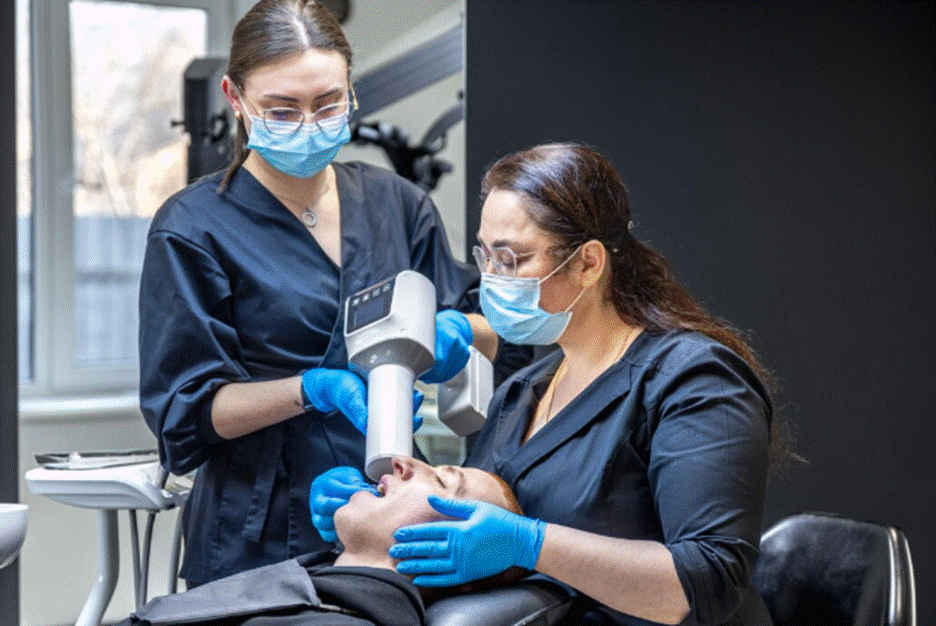
Patients searching for an oral surgeon for dental implants in Kent, Washington, should consider the provider’s surgical training, experience, available technology, treatment options, and communication style. It is also useful to understand whether the practice can coordinate the surgical and restorative stages of implant treatment. A thorough consultation should leave you with a clear understanding of the recommended procedure.
The treatment should begin with an evaluation rather than an assumption that dental implants are appropriate for everyone. The oral surgeon needs to assess the teeth, gums, bone, and overall treatment requirements before creating a plan. Patients should also feel comfortable asking questions about healing, costs, alternatives, and long-term care.
Conclusion
Dental implants involve several stages, from the initial examination and surgical placement to healing and final restoration. An oral surgeon can provide specialised surgical care when implant treatment involves the jawbone, tooth extraction, bone grafting, or other oral surgical needs. Careful evaluation and treatment planning help determine whether implants are appropriate and which approach may work best. Patients also need to follow recovery instructions and maintain good oral hygiene after treatment. If you are considering implant treatment in Kent, Washington, you can contact Implant Oral Surgery & Aesthetics to discuss your dental needs and available treatment options.
Frequently Asked Questions
1. Why should I see an oral surgeon for dental implants?
An oral surgeon has advanced training in surgical procedures involving the mouth, jaw, and surrounding structures. This training can be useful when implant treatment involves tooth extraction, bone loss, or other surgical considerations.
2. Is bone grafting always required for dental implants?
No. Bone grafting is only needed when there is not enough suitable bone to support the planned implant. An examination and appropriate imaging can help determine whether grafting is necessary.
3. How long does it take for a dental implant to heal?
Healing time varies based on the patient’s oral health, implant location, bone condition, and treatment plan. The implant needs sufficient time to integrate with the surrounding bone before the final restoration is placed.
4. Can an oral surgeon place full arch dental implants?
Yes, oral surgeons may perform surgical implant placement for full arch treatment when appropriate. The treatment plan depends on the patient’s bone condition, anatomy, number of missing teeth, and restoration requirements.
5. How do I care for dental implants after treatment?
Care includes regular brushing, cleaning between the teeth, professional dental visits, and following your dentist’s specific instructions. Report persistent swelling, bleeding, discomfort, or changes in the restoration to your dental team.